The M&E team organized its monthly meeting on 21 June 2010. Mr. Yim Sok Sophors facilitated a half-day meeting with the participation of Mr. Chhin Chhunhoir, Miss. Pheng Chandy, Mr. Vang Sean, Mr. Nuon Piseth, Mr. Meas Somica, Mr. Nhep Mengcheang, Mr. Pil Sovann, and Mr. Leng Huch. Those participants are the project M&E officers of CEDAC. The agenda of the meeting are shown as follows:
1. Sharing interesting information and sharing the progress of M&E in the last month;
2. Recap the lesson on Impact Evaluation that trained by Mr. Steffen Johnson;
3. Finalize the concept note for conducting the impact evaluation of CEDAC
4. How to interview the change agent
5. Work plan and cooperation
6. Sum up and Impression
I could note that the participants shared actively the information relating to the monitoring that they have conducted in the last month. Additionally, some questions were raised to discuss during the meeting and it was a good opportunity for all of the participants to learn from each other. Furthermore, we also could understand the qualitative and quantitative of our project’s progress in the field. On the other hand, I observed that the participants get more clear understanding about the livelihood framework and Samchal framework that are used for conducting the impact evaluation of CEDAC in July 2010. The M&E officers will work in 3 small groups to conduct interview with the change agent in their respective communities. The result of their work will be shared in the meeting on 15-16 July 2010 at CEDAC Office in Phnom Penh.
Finally, Mr. Yim Sok Sophors will finalize the concept note of CEDAC’s impact evaluation and share it with the team members to comment or any other addition. The format/data sheet for data collection on SRI practices (System of Rice Intensification) were requested and sent by Mr. Yim Sok Sophors. It is now the raining season that farmers are busy with rice cultivation, farmers also follow the practices of SRI that is why we need to collect the SRI data for analyzing and reporting.
Monday, June 21, 2010
Saturday, June 19, 2010
Capacity building on Impact Evaluation
On 18-19 June 2010 Mr. Steffen Johnson, an consultant from Nordeco-Denmark conducted a training for 12 staff of CEDAC, those are the project M&E officers and research who are mainly involved in project monitoring and evaluation. The training was conducted in the office of CEDAC in Phnom Penh.
Generally, the training mainly focus on research question, how to develop it appropriately, how to arrange the research question, etc. The trainer explained clearly the way to classify the research question. Some research questions are easy so that they were kicked out and some other questions need to be classified at the right level. During the training, the participants also discussed about the WHY question as we want to conduct the impact evaluation for CEDAC that will be conducted in July 2010. It is to note that the impact evaluation was raised for discussion in depth detail. In conclusion, the participants have learned actively on the training topics and they understand clearly about the impact evaluation and outcome evaluation. The understanding on this topic is really good for them to improve their knowledge and work for their responsible duties.
On 21 June 2010, each of the participants will continue their discussion on the detail schedule and methodology for conducting this impact evaluation at CEDAC office in Phnom Penh.
Generally, the training mainly focus on research question, how to develop it appropriately, how to arrange the research question, etc. The trainer explained clearly the way to classify the research question. Some research questions are easy so that they were kicked out and some other questions need to be classified at the right level. During the training, the participants also discussed about the WHY question as we want to conduct the impact evaluation for CEDAC that will be conducted in July 2010. It is to note that the impact evaluation was raised for discussion in depth detail. In conclusion, the participants have learned actively on the training topics and they understand clearly about the impact evaluation and outcome evaluation. The understanding on this topic is really good for them to improve their knowledge and work for their responsible duties.
On 21 June 2010, each of the participants will continue their discussion on the detail schedule and methodology for conducting this impact evaluation at CEDAC office in Phnom Penh.


Tuesday, June 15, 2010
CEDAC Impact Evaluation
On 14 June 2010, Mr. Stephen, international consultant from NORDECO in Denmark discussed with Dr. Yang Saing Koma President of CEDAC, Mr. Yi Kim Than Director of CEDAC Field Program about Impact Evaluation of CEDAC at the CEDAC’s Office in Phnom Penh. During the meeting, Mr. Yim Sok Sophors Team Leader of Internal M&E of CEDAC Field Program and Mr. Ly Kesa Researcher of CEDAC also attended.
Another meeting with other M&E officers will be held on 18 June 2010 to discuss about the detail of this Impact Evaluation. All of the project M&E officers will be invited to join the meeting as they will involve in conducting this evaluation. It is to note that Mr. Stephen will be responsible to guiding support to CEDAC’s staff to enable them to conduct the evaluation and also help for editing the evaluation report. Hopefully, the final evaluation report will be finalized in August 2010.
The evaluation will provide a very good exercise to the project M&E Officers of learn effective how to conduct a good evaluation. It is very helpful that we would have an international consultant to support us how to do it successfully.
Another meeting with other M&E officers will be held on 18 June 2010 to discuss about the detail of this Impact Evaluation. All of the project M&E officers will be invited to join the meeting as they will involve in conducting this evaluation. It is to note that Mr. Stephen will be responsible to guiding support to CEDAC’s staff to enable them to conduct the evaluation and also help for editing the evaluation report. Hopefully, the final evaluation report will be finalized in August 2010.
The evaluation will provide a very good exercise to the project M&E Officers of learn effective how to conduct a good evaluation. It is very helpful that we would have an international consultant to support us how to do it successfully.
Friday, June 11, 2010
CEDAC Field Program Discusss its Achievement and Key Activities for the Next Implementation
On 11 June 2010, over than 100 staff of CEDAC Field Program met and discussed actively during its general assembly at the Multi-Purpose Hall of CJCC (Cambodia-Japan Cooperation Center). The general assembly is systematically conducted in every 6 months to sum up the progresses/achievements, lessons-learned and key strategies to be implemented for the next semester. The organization of this event is very important because the staff can understand the general progress of the projects/program and they also know well the strategies and key activities for the next implementation.

Representatives of each project of CEDAC Field Program presented their achievements, lessons-learned to one another, it is to notice that there are 26 development projects has been carrying out by the program at the current time. Questions and answers among the participants were conducted in plenary during the assembly. In addition, Dr. Yang Saing Koma CEDAC President also shared his ideas with all of the participants regarding to the future implementation of the program. Generally, the program will continues helping the farmers to improve agricultural production through the promotion of family ecological agriculture, improve access to financial services for agricultural investment and the investment of community-led business activities, improve marketing services (Agri-business) through formation of farmer producer groups and linking to markets, etc. Furthermore, the program will also take more effort to strengthen ALDA (Agriculture and Local Development Association) in order to make sure that ALDA will become a very good development partners in the communities. The capacity building will be focused on practical management and leadership, how to help ALDA to access grants for community development activities. and more.
In conclusion, the participants understand clearly about their potentials as well as the potentials of the communities in order to use all of their potentials to achieve objectives and goal.

Representatives of each project of CEDAC Field Program presented their achievements, lessons-learned to one another, it is to notice that there are 26 development projects has been carrying out by the program at the current time. Questions and answers among the participants were conducted in plenary during the assembly. In addition, Dr. Yang Saing Koma CEDAC President also shared his ideas with all of the participants regarding to the future implementation of the program. Generally, the program will continues helping the farmers to improve agricultural production through the promotion of family ecological agriculture, improve access to financial services for agricultural investment and the investment of community-led business activities, improve marketing services (Agri-business) through formation of farmer producer groups and linking to markets, etc. Furthermore, the program will also take more effort to strengthen ALDA (Agriculture and Local Development Association) in order to make sure that ALDA will become a very good development partners in the communities. The capacity building will be focused on practical management and leadership, how to help ALDA to access grants for community development activities. and more.
In conclusion, the participants understand clearly about their potentials as well as the potentials of the communities in order to use all of their potentials to achieve objectives and goal.
Tuesday, May 25, 2010
ដំណើរទស្សនកិច្ចនៅ ព្រៃវែង និងស្វាយរៀង
លោក យឹម សុខ សុភាស់ បានចុះទៅខេត្តព្រៃវែង និងខេត្តស្វាយរៀង ដើម្បីពិនិត្យមើលគំរោងផ្សារ ភ្ជាប់កសិករក្រុមផលិតបន្លែទៅទីផ្សារ។ ក្នុងពេលនោះដែរ ខ្ញុំបានជួបជាមួយលោក និន ឆាយ ដើម្បីឆ្លុះបញ្ចាំងពីការងារដែលបានធ្វើកន្លងមក និងបានទៅមើលការអនុវត្តន៌គំនិតថ្មីរបស់កសិករ នៅស្រុកកំពង់ត្របែក។ ជាទូទៅនៅក្នុងដើមរដូវវស្សានេះ កសិករច្រើនផ្តោតការយកចិត្តទុក ដាក់លើការដាំដុះដំណាំស្រូវ ជាជាងដំណាំបន្លែ។ ដោយឡែកកសិករដែលមានដីទួល មិនដក់ទឹក គាត់នៅតែអាចបន្តដាំបន្លែបាន ប៉ុន្តែទំហំដីដាំបន្លែមានការថយចុះជាងខែមុនៗ ដោយសារតែគាត់ ត្រូវទុកដីសំរាប់សាបសំណាបវិញ។ តាមរយៈការចុះពិនិត្យមើលនៅតាមភូមិ ឃើញថាកសិករបាន ចាប់ផ្តើមសាបសំណាបសំរាប់ដាំដុះដំណាំស្រូវរដូវវស្សានេះ។ កសិករប្រមាណ ៣០ ទៅ ៤០% បានសាបរួចរាល់ហើយ ប៉ុន្តែគាត់បានសាបស្រូវស្រាល ដូចជាស្រូវ អ៊ីអ៊ែជាដើម។ ដោយឡែកចំពោះ ស្រូវពូជប្រពៃណី កសិករនៅមិនទាន់បានសាបនៅឡើយទេ។ កសិករមួយចំនួនបូមទឹកអណ្តូង ដោយរួមផ្សំជាមួយទឹកភ្លៀងដើមឆ្នាំដើម្បីសាប។ ទន្ទឹមនឹងនេះ យើងសង្កេតឃើញថា កសិករនៅ ខេត្តស្វាយរៀងមិនទាន់បានសាបទេ ដោយសារខ្វះខាតទឹក។
បន្ថែមពីនេះ លោក វ៉ាង សៀន និងអ្នកស្រី លុយ ធារី បានចូលរួមទៅទស្សនកិច្ចនៅភូមិ កណ្តាល ឃុំឈើកាច់ ស្រុកបាភ្នំ ខេត្តព្រៃវែង និងនៅភូមិថ្មី ឃុំស្តៅកោង ស្រុកបាភ្នំ ខេត្តព្រៃវែង ដើម្បីសួរនាំ ពីភាពរីកចំរើនរបស់សមាគមកសិករ និងក្រុមសនំ្សប្រាក់នៅតាមភូមិ។ តាមរយៈការសម្ភាសន៌ ជាមួយកសិករដែលជាគណកម្មាការសមាគម យើងឃើញថាសមាគម និងក្រុមសន្សំទាំងនោះ នៅតែបន្តសកម្មភាពរបស់ខ្លួនទោះបីអតីតគំរោង កែលម្អកម្រិតជីវភាពគ្រួសារកសិករ ក្រីក្រនៅខេត្ត ព្រៃវែង ដែលអនុវត្តដោយអង្គការ សេដាក បានបញ្ចប់នៅឆ្នាំ ២០០៨ មកម្លេះ។ ទោះបីជាយ៉ាងណាក៏ដោយ ក្រុមសន្សំប្រាក់ និងសមាគមកសិករមានការកែប្រែរចនាសម្ព័ន្ធគ្រប់គ្រងមួយចំនួន ដូចជាការជ្រើសរើសសមាជិកគណកម្មាការថ្មីជាដើម។
នៅថ្ងៃទី ២៦ ខែឩសភា ២០១០ លោក យឹម សុខសុភាស់បានរៀបចំការប្រជុំឆ្លុះ បញ្ចាំងពីសកម្មភាព និងលទ្ធផលការងាររបស់គំរោង បង្កើនផលិតកម្មស្បៀងនិងប្រាក់ចំណូល របស់គ្រួសារកសិករក្រីក្រ នៅខេត្តស្វាយរៀង ។ បុគ្គលិកនៃគំរោងនេះបានធ្វើការបូកសរុបពីសកម្មភាពនិងលទ្ធផលដែលសំរេចបានដោយការ អនុវត្តន៌ គំរោងនេះ។ ជារួមគឺគំរោងមានដំណើរការល្អ ប៉ុន្តែមានដំណើរការយឺតយ៉ាវបន្តិចនៅខាងខេត្តព្រៃវែង។ បន្ទាប់ពីបានធ្វើការប្រជុំជាមួយបុគ្គលិកគំរោង យើងបានចុះធ្វើទស្សនកិច្ចនៅភូមិគោលដៅ របស់គំរោងនៅស្រុកចន្ទ្រា និងស្រុកកំពង់រោទ៌ ខេត្តស្វាយរៀង។ ជារួម យើងសង្កេតឃើញថា កសិករដែលសមាជិកគណកម្មាការសមាគមកសិករនៅតែបន្តការអនុវត្តន៌បច្ចេកទេស កសិកម្មបានល្អ ប្រសើរទោះ បីជាគំរោងបានបញ្ចាប់ក្តី។

ជាទូទៅភូមិគោលដៅនៅខេត្តស្វាយរៀងសុទ្ធតែមានក្រុមស្ត្រី និងក្រុមក្រីក្រ ហើយមានប្រមាណ ៣០ ទៅ ៤០% នៃចំនួនសមាជិកទាំងអស់អនុវត្តនូវគំនិតថ្មីដែលផ្សព្វផ្សាយពីគណកម្មាការ។ គំរោងនឹងធ្វើយ៉ាងណាជួយពង្រឹងសមាគមកសិករដែល មានស្រាប់អោយមានសមត្ថភាពគ្រប់គ្រាន់ក្នុងការគាំទ្របន្តដល់កសិករដែលងាយរងគ្រោះ ដូចជាក្រុមស្ត្រី និងក្រុមក្រីក្រជាដើម។
បន្ថែមពីនេះ លោក វ៉ាង សៀន និងអ្នកស្រី លុយ ធារី បានចូលរួមទៅទស្សនកិច្ចនៅភូមិ កណ្តាល ឃុំឈើកាច់ ស្រុកបាភ្នំ ខេត្តព្រៃវែង និងនៅភូមិថ្មី ឃុំស្តៅកោង ស្រុកបាភ្នំ ខេត្តព្រៃវែង ដើម្បីសួរនាំ ពីភាពរីកចំរើនរបស់សមាគមកសិករ និងក្រុមសនំ្សប្រាក់នៅតាមភូមិ។ តាមរយៈការសម្ភាសន៌ ជាមួយកសិករដែលជាគណកម្មាការសមាគម យើងឃើញថាសមាគម និងក្រុមសន្សំទាំងនោះ នៅតែបន្តសកម្មភាពរបស់ខ្លួនទោះបីអតីតគំរោង កែលម្អកម្រិតជីវភាពគ្រួសារកសិករ ក្រីក្រនៅខេត្ត ព្រៃវែង ដែលអនុវត្តដោយអង្គការ សេដាក បានបញ្ចប់នៅឆ្នាំ ២០០៨ មកម្លេះ។ ទោះបីជាយ៉ាងណាក៏ដោយ ក្រុមសន្សំប្រាក់ និងសមាគមកសិករមានការកែប្រែរចនាសម្ព័ន្ធគ្រប់គ្រងមួយចំនួន ដូចជាការជ្រើសរើសសមាជិកគណកម្មាការថ្មីជាដើម។
នៅថ្ងៃទី ២៦ ខែឩសភា ២០១០ លោក យឹម សុខសុភាស់បានរៀបចំការប្រជុំឆ្លុះ បញ្ចាំងពីសកម្មភាព និងលទ្ធផលការងាររបស់គំរោង បង្កើនផលិតកម្មស្បៀងនិងប្រាក់ចំណូល របស់គ្រួសារកសិករក្រីក្រ នៅខេត្តស្វាយរៀង ។ បុគ្គលិកនៃគំរោងនេះបានធ្វើការបូកសរុបពីសកម្មភាពនិងលទ្ធផលដែលសំរេចបានដោយការ អនុវត្តន៌ គំរោងនេះ។ ជារួមគឺគំរោងមានដំណើរការល្អ ប៉ុន្តែមានដំណើរការយឺតយ៉ាវបន្តិចនៅខាងខេត្តព្រៃវែង។ បន្ទាប់ពីបានធ្វើការប្រជុំជាមួយបុគ្គលិកគំរោង យើងបានចុះធ្វើទស្សនកិច្ចនៅភូមិគោលដៅ របស់គំរោងនៅស្រុកចន្ទ្រា និងស្រុកកំពង់រោទ៌ ខេត្តស្វាយរៀង។ ជារួម យើងសង្កេតឃើញថា កសិករដែលសមាជិកគណកម្មាការសមាគមកសិករនៅតែបន្តការអនុវត្តន៌បច្ចេកទេស កសិកម្មបានល្អ ប្រសើរទោះ បីជាគំរោងបានបញ្ចាប់ក្តី។

ជាទូទៅភូមិគោលដៅនៅខេត្តស្វាយរៀងសុទ្ធតែមានក្រុមស្ត្រី និងក្រុមក្រីក្រ ហើយមានប្រមាណ ៣០ ទៅ ៤០% នៃចំនួនសមាជិកទាំងអស់អនុវត្តនូវគំនិតថ្មីដែលផ្សព្វផ្សាយពីគណកម្មាការ។ គំរោងនឹងធ្វើយ៉ាងណាជួយពង្រឹងសមាគមកសិករដែល មានស្រាប់អោយមានសមត្ថភាពគ្រប់គ្រាន់ក្នុងការគាំទ្របន្តដល់កសិករដែលងាយរងគ្រោះ ដូចជាក្រុមស្ត្រី និងក្រុមក្រីក្រជាដើម។
Monday, May 24, 2010
IFWP-MP Organizes Thematic Workshop on System of Rice Intensification (SRI)
18-22 May 2010: With funding support from the European Union (EU), CEDAC has been implementing a project food security project titled “Improving Food Security for Women and Rural Poor in Mundulkiri Province” since October 2009. As the rainy season is coming, IFWP-MP organized 3 thematic workshops on System of Rice Intensification (SRI), attended by 125 participants (38 women). In other words, there were 40 participants per workshop on average, those participants composed of district councilors, commune councilors, village chief, indigenous farmers, rural women and youths, relevant government officials such as the representatives from District Agricultural Office, District Office of Women’s Affairs, District Office of Education, Youth and Sports, etc. A Technical Support Officer of CEDAC Mr. Bao Vuthy accompanied by Project Coordinator of IFWP-MP Mr. Yim Sok Sophors facilitated those workshops in Koh Ngiek and Pechrda Districts, Mundulkiri Province. The workshops were organized at the district level. The workshops aimed to strengthen the Knowledge, Capacity and Skills of the farmers, local authorities and other local stakeholders related to the Principles of SRI especially to enable them have more technical ideas to improve their rice cultivation methods.

At the beginning, the district council provided his opening speech of the workshop. To make the participants know and understand well about the project, District Coordinators of IFWP-MP Mr. Mak Samath and Mr. Pheung Kosal presented the activities and results of the project to the participants in plenary. Then, the facilitator encouraged farmers to share their knowledge and practical experiences related to rice cultivation to each other actively. During the sharing experiences of farmers, Mrs. Phok La who is a cooperating farmer of CEDAC from Prohout Village, Kraing Leav Commune, Bati District, Takeo Province shared her practical experiences in applying SRI to the participants. She explained and compared the traditional practice and SRI practice to realize that the participants understand well about the differences between the traditional practice and SRI practice. Moreover, Mrs. Phok La encouraged the participants to pay more attention to conduct good rice seed selection, improvement of top soil fertility and improvement of rice cultivation techniques through the application of SRI principles. Mr. Bao Vuthy provided detail explanation on SRI principles and SRI techniques (optional techniques) to the participants in plenary and then question and answer forum was conducted to provide more opportunities for the participants to make sure that they have learned well. At the end of the workshops, some interested farmers were selected to experiment SRI for this rainy season.
In conclusion, the participants have understood and learned effectively regarding to the activities and achievements of the project especially they are strongly interested to the SRI principles through exchange of knowledge and experiences of SRI practice to each other. Importantly, majority of the participants intended to apply and experiment SRI in this rainy season in order to increase their rice productivity for producing adequate rice for family consumption and market supplies for generating additional incomes for their families.

At the beginning, the district council provided his opening speech of the workshop. To make the participants know and understand well about the project, District Coordinators of IFWP-MP Mr. Mak Samath and Mr. Pheung Kosal presented the activities and results of the project to the participants in plenary. Then, the facilitator encouraged farmers to share their knowledge and practical experiences related to rice cultivation to each other actively. During the sharing experiences of farmers, Mrs. Phok La who is a cooperating farmer of CEDAC from Prohout Village, Kraing Leav Commune, Bati District, Takeo Province shared her practical experiences in applying SRI to the participants. She explained and compared the traditional practice and SRI practice to realize that the participants understand well about the differences between the traditional practice and SRI practice. Moreover, Mrs. Phok La encouraged the participants to pay more attention to conduct good rice seed selection, improvement of top soil fertility and improvement of rice cultivation techniques through the application of SRI principles. Mr. Bao Vuthy provided detail explanation on SRI principles and SRI techniques (optional techniques) to the participants in plenary and then question and answer forum was conducted to provide more opportunities for the participants to make sure that they have learned well. At the end of the workshops, some interested farmers were selected to experiment SRI for this rainy season.
In conclusion, the participants have understood and learned effectively regarding to the activities and achievements of the project especially they are strongly interested to the SRI principles through exchange of knowledge and experiences of SRI practice to each other. Importantly, majority of the participants intended to apply and experiment SRI in this rainy season in order to increase their rice productivity for producing adequate rice for family consumption and market supplies for generating additional incomes for their families.
Internal Monitoring and Evaluation Team Meeting
On 24 May 2010, a monthly meeting of the Internal M&E Team Meeting was held in Phnom Penh. The participants of the meeting included Mr. Vang Sean, Mr. Nhep Mengcheang, Mr. Leng Huch, Mr. Chhin Chhunhoir, Mr. Nuon Piseth, Miss. Pheng Chandy, and Mr. Meas Somica. The meeting was facilitated by Mr. Yim Sok Sok Sophors, M&E Coordinator. During this meeting, we shared information to each other related to the M&E that we have done recently. Furthermore, we discussed how to keep record on several data such as the data of System of Rice Intensification (SRI), data of saving groups and data of old target villages of CEDAC.
Moreover, the presentation on the evaluation result of FLIP was presented by Mr. Chhin Chhunhoir. Through this presentation, we understood about the changes after the project’s intervention. At the same time, the participants also contributed to improve and comment the evaluation report.
Moreover, the presentation on the evaluation result of FLIP was presented by Mr. Chhin Chhunhoir. Through this presentation, we understood about the changes after the project’s intervention. At the same time, the participants also contributed to improve and comment the evaluation report.
Monday, May 10, 2010
Workshop on Rice Value Chain in Kompot
On 7 May 2010, with funding support from Catholic Relief Services (CRS), CEDAC in collaboration with WOSO, FLD, and PNKS which are the partner NGOs of CRS in implementing the project Civil Society and Pro-Poor Market (CSPPM) organized a workshop on Rice Value Chain Study in Kompot and Kompot Speu Province. The purpose of the workshop was to present the result of rice value chain study in Kompot and Kompong Speu Provinces. It is to notice that the study was conducted by representatives of the Community Based Organizations (CBOs) in both provinces. Totally, 72 participants (20 women) composed of government officials, CBO representatives, farmer representatives, students…participated in the workshop.
First of all, Mr. Eric Vandenbrink from CRS and Mr. Keum Veasna from Asia Foundation provided the opening speech of the workshop. At the beginning of the presentation, Mr. Yim Sok Sophors presented the methodology of the study to the participants in order to make the participants understand about the rational background, objectives and how to conduct this study. The CBO representatives then presented the result of the study on rice value chain to the participants in each studied province. CEDAC’s staff Mr. Chhong Sophal conducted final presentation on the result of the study.

Finally, CEDAC President Dr. Yang Saing Koma conducted a synthesis on the result of the study by discussing the result of the study with the participants in plenary. Several Questions were developed and discussed among the participants in order to come up with strategic ideas for promoting rice value chain in the near future.
In conclusion, this workshop provided more knowledge to the participants and they are strongly interested to the topics. It is to notice that the district authorities are strongly interested in setting up rice farmer producer groups or community based rice mills in their respective districts in order to promote the rice market.
First of all, Mr. Eric Vandenbrink from CRS and Mr. Keum Veasna from Asia Foundation provided the opening speech of the workshop. At the beginning of the presentation, Mr. Yim Sok Sophors presented the methodology of the study to the participants in order to make the participants understand about the rational background, objectives and how to conduct this study. The CBO representatives then presented the result of the study on rice value chain to the participants in each studied province. CEDAC’s staff Mr. Chhong Sophal conducted final presentation on the result of the study.

Finally, CEDAC President Dr. Yang Saing Koma conducted a synthesis on the result of the study by discussing the result of the study with the participants in plenary. Several Questions were developed and discussed among the participants in order to come up with strategic ideas for promoting rice value chain in the near future.
In conclusion, this workshop provided more knowledge to the participants and they are strongly interested to the topics. It is to notice that the district authorities are strongly interested in setting up rice farmer producer groups or community based rice mills in their respective districts in order to promote the rice market.
Thursday, April 22, 2010
Training on Project Cycle Management (PCM)
From 19-22 April 2010, CEDAC organized a four-day training on “Project Cycle Management” at CEDAC head office with the participation of 33 staffs. The purpose of the training was to train participants how to design rural development project and provide more understanding on project management and evaluation. The main trainer of the training is Mr. Or Thy, Senior Program Advisor of CEDAC and with co-trainers Mr. Yim Sok Sophors, Mrs. Tong Chantheang and Mr. Kin Mengse.

Participants ‘expectation, reflection on experiences of project management and project monitoring and evaluation, and participants’ evaluation were discussed and provided. Relating to the topic of training, many styles of project cycle have been shown but the detail one was followed by Inwent. It is to note that during the training, in each step of project cycle all participants practiced to design the project through group discussion with six members. Then, plenary presentations were done in order to get comment and answer to participants and trainers’ questions. Moreover, the trainers also showed as example from a few projects of CEDAC to make clear understanding for participants. Besides, some games relating to the training topic were conducted as well.
As a result of the training, the participants gained more knowledge about project cycle management especially on how to design rural development project and project monitoring and evaluation. Moreover, they can use what they have learned to improve the performance of their currently projects.

Participants ‘expectation, reflection on experiences of project management and project monitoring and evaluation, and participants’ evaluation were discussed and provided. Relating to the topic of training, many styles of project cycle have been shown but the detail one was followed by Inwent. It is to note that during the training, in each step of project cycle all participants practiced to design the project through group discussion with six members. Then, plenary presentations were done in order to get comment and answer to participants and trainers’ questions. Moreover, the trainers also showed as example from a few projects of CEDAC to make clear understanding for participants. Besides, some games relating to the training topic were conducted as well.
As a result of the training, the participants gained more knowledge about project cycle management especially on how to design rural development project and project monitoring and evaluation. Moreover, they can use what they have learned to improve the performance of their currently projects.
Friday, April 9, 2010
CEDAC Organized Training on Sustainable Agriculture and Farmer Organization
CEDAC Organized Training on Sustainable Agriculture and Farmer Organization from 08-09 April 2010 with participation of 40 staff who are Project Coordinators, Field Coordinators, Project Officers, Project Monitoring and Evaluation Officers, and Field Community Facilitators. The training was held at Cambodia-Japan International Cooperation Center (CJCC) and facilitated by Dr. Yang Saing Koma, CEDAC President.

The training was mainly focus on Sustainable Agriculture throught discussion, sharing experiences, and plenary presentation. During the training, some key words related to Sustainable Agriculture were explained and agriculutral innovaitons which have been disseminated by CEDAC were discussed. There were 10 innovations were raised for discussion during the training such as system of rice intensification, vegetable growing, ecological chicken raising, pig raising, etc.
Five questions have been provided to participants regarding to Farmer Organization (FO), those are: What is Farmer Organization? What are the diffirences between Farmer Organization and CEDAC organization?, Why does CEDAC support to Farmer Organizaiton?, What kind of Farmer Organization has been supported by CEDAC? How is the support?, What are the strengths and weaknesses of our staff in the past to support to Farmer Organizaiton?, What are the points to be improved for supporting to Farmer Organization?
All in all, after the training, all participants have opportunity to review the main agricultural innovaitons as well as the meaning of each innovation; sharing experiences to each other; getting back the recommendation/improved idea; as well as gaining more understanding on the key words related to Sustainable Agriculture.

The training was mainly focus on Sustainable Agriculture throught discussion, sharing experiences, and plenary presentation. During the training, some key words related to Sustainable Agriculture were explained and agriculutral innovaitons which have been disseminated by CEDAC were discussed. There were 10 innovations were raised for discussion during the training such as system of rice intensification, vegetable growing, ecological chicken raising, pig raising, etc.
Five questions have been provided to participants regarding to Farmer Organization (FO), those are: What is Farmer Organization? What are the diffirences between Farmer Organization and CEDAC organization?, Why does CEDAC support to Farmer Organizaiton?, What kind of Farmer Organization has been supported by CEDAC? How is the support?, What are the strengths and weaknesses of our staff in the past to support to Farmer Organizaiton?, What are the points to be improved for supporting to Farmer Organization?
All in all, after the training, all participants have opportunity to review the main agricultural innovaitons as well as the meaning of each innovation; sharing experiences to each other; getting back the recommendation/improved idea; as well as gaining more understanding on the key words related to Sustainable Agriculture.
Saturday, April 3, 2010
CEDAC Organized Core Staff Meeting at Kompong Cham Province
On April 2-3, 2010 CEDAC organized a core staff meeting with the funding support by FNS at Phnom Pros Hotel in Kompong Cham Province. The president of CEDAC Dr. Yang Saing Koma played very important role to facilitate the meeting with the participation of 45 participants (9 women staffs). The purpose of the meeting was to review the CEDAC strategy 2010-2014, to analyze social trend for determining future development activities, to discuss about the mechanism for strengthening the cooperation between all components of CEDAC.
First of all, representatives of each CEDAC component shared the information relating to its progress of the last 3 months to each other. Later on, the participants conducted plenary review on the CEDAC Strategy 2010-2014. Then, the expectation of the meeting was given by the participants. Dr. Yang Saing Koma presented and discussed about the social trend related to the Agriculture and Rural Development Aspects in Cambodia from 1980, 2010 and up to 2020. Furthermore, the participants shared their personal observation and notions related to CEDAC’s development activities in recent years whether those activities are closely related to the current and future development activities or not. In addition, the participants also discussed to determine the future image for community development in 2010; CEDAC will target provide further development assistance at the sub-national level especially at the district level. It is expected that credit cooperative, community-based rice mill, community-based rice warehouse, farmer learning center, agriculture and rural development service provider association, community information center, community radio, etc. will be set up and functioned effectively in the communities to provide greater job opportunities within the communities.
As a result of the meeting, the participants are clear about the future image of each CEDAC component as well as they are quite sure about the CEDAC structure in the future. At the end day of the meeting, the participants agreed to organize core staff meeting every 3 months and the communication and information sharing among the core staffs will be conducted systematically.
First of all, representatives of each CEDAC component shared the information relating to its progress of the last 3 months to each other. Later on, the participants conducted plenary review on the CEDAC Strategy 2010-2014. Then, the expectation of the meeting was given by the participants. Dr. Yang Saing Koma presented and discussed about the social trend related to the Agriculture and Rural Development Aspects in Cambodia from 1980, 2010 and up to 2020. Furthermore, the participants shared their personal observation and notions related to CEDAC’s development activities in recent years whether those activities are closely related to the current and future development activities or not. In addition, the participants also discussed to determine the future image for community development in 2010; CEDAC will target provide further development assistance at the sub-national level especially at the district level. It is expected that credit cooperative, community-based rice mill, community-based rice warehouse, farmer learning center, agriculture and rural development service provider association, community information center, community radio, etc. will be set up and functioned effectively in the communities to provide greater job opportunities within the communities.
As a result of the meeting, the participants are clear about the future image of each CEDAC component as well as they are quite sure about the CEDAC structure in the future. At the end day of the meeting, the participants agreed to organize core staff meeting every 3 months and the communication and information sharing among the core staffs will be conducted systematically.
Wednesday, March 31, 2010
Second training workshop on Climate Change
3 staffs from CEDAC, Mr. Yi Kim Than, Mr. Yim Sok Sophors and Mr. Ma Veasna attended a 3-day training workshop on Climate Change at Sunway Hotel in Phnom Penh from 30 March to 1 April 2010. This is the second traning workshop organized by CORD, DCA/CA, and ForumSyd. Mr. Robert Solar is the trainer of the training. The case study analysis was conducted during the workshop in order to enable the participants to learn about practical experiences from the other projects and oher communities. Through the understanding from the case studies, it provided us some ideas how to design the climate change project. Importantly, we could know what can be integrated into our programmes for the context in Cambodia.

At the second day of the workshop, the participants worked separately to design the project proposal on climate change which is alligned with their self-organization assessment and the initiative action plan of each organization. The result will be presented to panel in order to give feedback and comments for improving the project proposal. It is expected that the participants will be able to design the project proposal at the end of the workshop and they know how to integrate climate change into their current programmes.

At the second day of the workshop, the participants worked separately to design the project proposal on climate change which is alligned with their self-organization assessment and the initiative action plan of each organization. The result will be presented to panel in order to give feedback and comments for improving the project proposal. It is expected that the participants will be able to design the project proposal at the end of the workshop and they know how to integrate climate change into their current programmes.
Monday, March 29, 2010
Meeting at CRS office in Phnom Penh
This morning I (Yim Sok Sophors) and Mr. Chhong Sophal joint a meeting wht Mr. Vatanak at CRS office in Phnom Penh. During the meeting, we discussed about the result of the rice market chain study that was recenly conducted by the representatives of CBOs (Community based Organizations) in Kompong Speu and Kompot provinces.
As a result of the meeting, we decided to organize a meeting with the participation of CBO representatives who were previoulsy involved in conducting the rice value chain study at Tramkak district, Takeo province on 7 April 2010. Furthermore, we also decided to organize a workshop in order to share the reuslt of the research to 64 participants who will included the representatives from CBOs, provincial department of agriculutre, provincial department of women’s affaires, commune and district authorities, etc. It is expected that the certificates of the CBO representatives who were trained by CEDAC will be distributed during the workshop.
As a result of the meeting, we decided to organize a meeting with the participation of CBO representatives who were previoulsy involved in conducting the rice value chain study at Tramkak district, Takeo province on 7 April 2010. Furthermore, we also decided to organize a workshop in order to share the reuslt of the research to 64 participants who will included the representatives from CBOs, provincial department of agriculutre, provincial department of women’s affaires, commune and district authorities, etc. It is expected that the certificates of the CBO representatives who were trained by CEDAC will be distributed during the workshop.
Saturday, March 27, 2010
Field Mission to IFWP-MP
From 23-27 March 2010, Mr Yi Kim Than and Mr. Yim Sok Sophors conducted a field mission to the project titled “Improving Food Security for the Most Vulnerable Women and Rural Poor in Mundulkiri Province”. The mission aimed to assess the project progress and to give comment on the project implementation as well as to build up the knowledge and capacity of the project staff in carrying out this project.

Mr. Yi Kim Than, Mr. Yim Sok Sophors and other project staffs visited as a farmer leader in Chi Klob village to ask and discuss with them about the progress his family and the village after cooperating with CEDAC’s project (Agriculture Livelihood Project for the Sok San Indigenous Community). During the discussion with the farmer, it was able to know that the collective saving groups are being progressed, there are more indigenous farmers interested to be the members of the collective saving groups. Furthermore, we also discussed about the establishment of rice bank with that farmer as well. The construction of rice store is being conducted.

It was able to see that the vegetable growing have been adopted and adapted by the indigenous people. The indigenous people previously didn’t know how to grow vegetables very well especially during the dry season. The indigenous farmers faced to the shortage of food for family consumption before existing of the project. But now they can grow vegetables for family consumption, they reduced expense on food, etc.

During the mission, we visited some villages in Koh Ngiek district, those visited villages are Chi Klob and Klang Lei in Sok San commune and Sre Huoy and Chhuol in Sre Huoy commune. On 26 March 2010, we provided and discussed with the project team related to what we have found during the field visit. The recommendations to improve the project performance were provided at the end of the mission.

Mr. Yi Kim Than, Mr. Yim Sok Sophors and other project staffs visited as a farmer leader in Chi Klob village to ask and discuss with them about the progress his family and the village after cooperating with CEDAC’s project (Agriculture Livelihood Project for the Sok San Indigenous Community). During the discussion with the farmer, it was able to know that the collective saving groups are being progressed, there are more indigenous farmers interested to be the members of the collective saving groups. Furthermore, we also discussed about the establishment of rice bank with that farmer as well. The construction of rice store is being conducted.
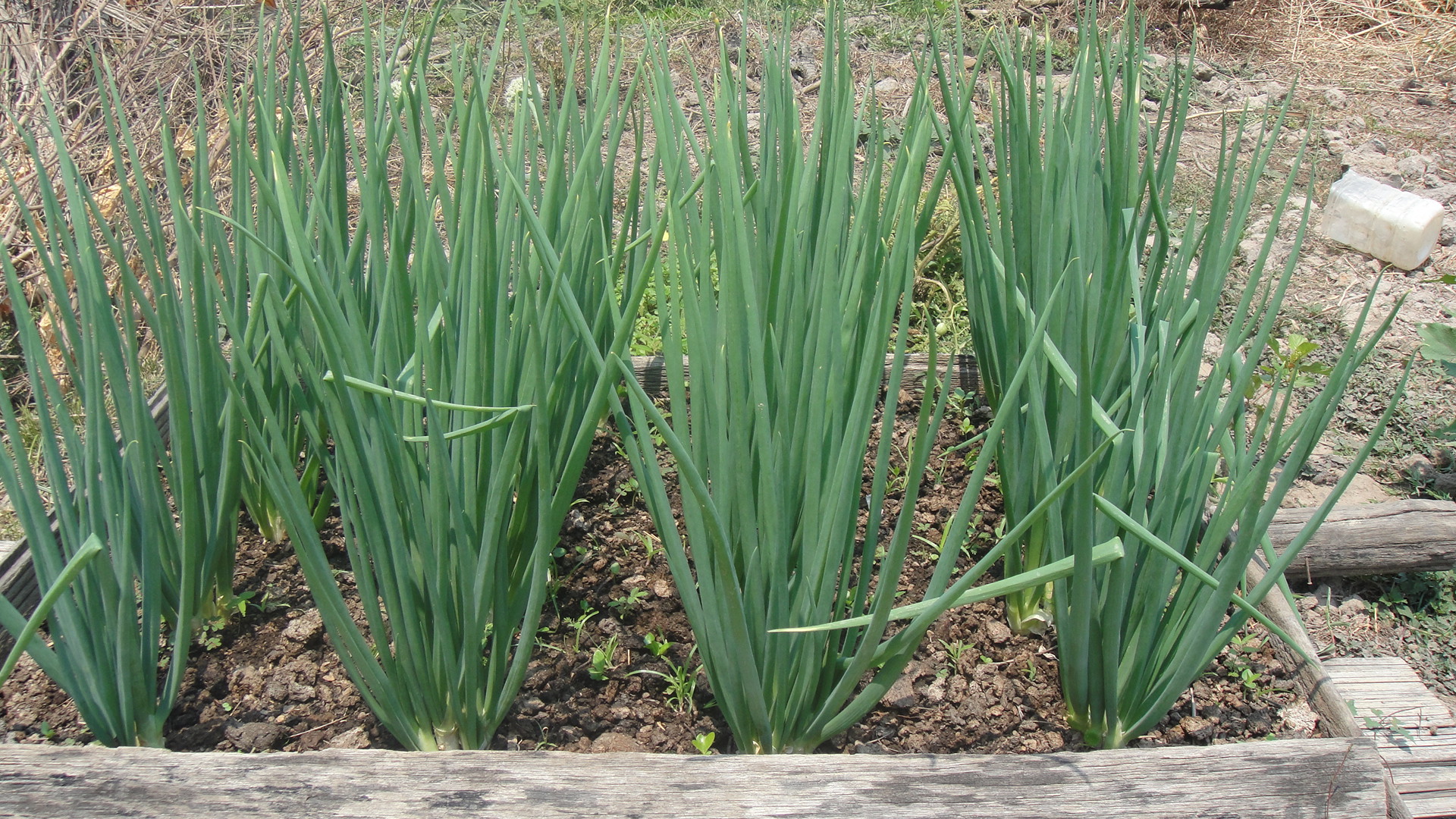
It was able to see that the vegetable growing have been adopted and adapted by the indigenous people. The indigenous people previously didn’t know how to grow vegetables very well especially during the dry season. The indigenous farmers faced to the shortage of food for family consumption before existing of the project. But now they can grow vegetables for family consumption, they reduced expense on food, etc.

During the mission, we visited some villages in Koh Ngiek district, those visited villages are Chi Klob and Klang Lei in Sok San commune and Sre Huoy and Chhuol in Sre Huoy commune. On 26 March 2010, we provided and discussed with the project team related to what we have found during the field visit. The recommendations to improve the project performance were provided at the end of the mission.
Wednesday, March 24, 2010
CEDAC Hosts Field Visit by Project Donor
By Sin Phoan and Kep Ratana,
Happy Mountain Bird (HMB) Project is a project CEDAC has been implementing since 2005. The first two phases were implemented in 5 provinces. Phase III seeks to eradicate poverty among all the poorest people in 300 villages in 5 districts of Kampong Chhnang Province, Cambodia. The target families will be helped to adopt ecological family agriculture techniques to improve their living standard, thereby ensuring that their children can attend school and have access to primary education, which is the overriding common goal of the project.
 From 9-17 March 2010, the HMB III project donor made his ninth mission to check the project’s progress. He visited 42 of 300 target villages to meet some of the stakeholders and beneficiaries of the project. These include community-based facilitators (CBFs), target families, community education promoters (CEP), children group leaders, school principals and village chiefs. During his visit, he was accompanied by two Japanese newspaper reporters and a Cambodian translator.
The objectives of the donor’s visit were concentrated on assessing the formation of children’s groups, which are set up by the CEPs to promote and encourage all children to go to school regularly, and to what extent the poorest target families are adopting the agricultural innovations. In this context, a meeting was organized with HMB project staff to reflect on and identify ideas to improve project outputs. The donor also conducted meetings with school principals to learn about the children’s education, the formation of children’s groups and how to make sure all children can complete their primary education. He met as well with the CBFs and CEPs to discuss the poorest target families and the situation regarding the establishment of children’s groups in the villages. And finally, he met directly with target families and their children to see the innovations they are implementing with support from the CBFs and CEPs.
The Asahi Newspaper Agency subsequently reported that most of the target families have improved their living conditions since the project’s intervention. Before they spent a lot for their daily food needs and borrowed money from microfinance institutions, but now they can produce agriculture products from their home gardens and raise animals to reduce their household expenditures.
The project donor was very pleased to see the project outputs. Even though it is the dry season, many target families have been growing vegetables for daily consumption and getting daily income, and making composts to use on vegetables and rice fields. As many as 4,200 children groups were established by the CEPs to encourage all children to go to school regularly. The project seeks to play an important role not only in enabling all children to attend school, but to understand as well the value of education and the joy that learning can bring.
Internal Evaluation Study of the Project “Improving Livelihood of Small Farmers in Kampong Tralach and Samaki Meanchey District, Kampong Chhnang Province
By: Sok Thea
The internal evaluation study was conducted early December 2009, with the main objectives as follows:
The internal evaluation study was conducted early December 2009, with the main objectives as follows:
- Assess the levels of adoption/adaptation of innovations developed by the project in cooperation with farmers, such as the System of Rice Intensification (SRI), Multi-Purpose Farms (MPF), chicken-raising, home garden improvements, and others;
- Assess the economic, social and environmental impact of the project, with a focus on quantitative and qualitative assessment of changes in living conditions of the target group, such as changes in production, income, nutrition, mutual help and cooperation, as well as sustainability of the farmers association, agriculture cooperative and pig insurance group;
- Make recommendations for future follow-up of the project; and
- Draw lessons learned from the project experiences.
First National Working Group meeting
By Heang Phira,
On March 16, 2010, Prolinnova Cambodia held its first National Working Group meeting of 2010 at CEDAC Institute for Local Development, Phnom Penh. There were 23 participants including 7 women. They represented 17 institutions: 8 provincial Departments of Agriculture (Prey Veng, Kandal, Takeo, Kampong Speu, Kampong Chhnang, Pursat Battambang and Svay Rieng), 3 NGOs (CEDAC, Srer Khmer, Aphiwat Strey), 3 educational institutions (Kampong Cham National School of Agriculture, Prek Leap National School of Agriculture and Royal University of Agriculture), the General Directorate of Agriculture, Farmer and Nature Net, and Thlork Commune Council in Takeo province.

Prolinnova Cambodia is a part of Prolinnova International, which is a multi-stakeholder network working to promote local innovation in ecologically-oriented agriculture and natural resource management. Currently, there are 21 institutions participating in Prolinnova Cambodia programs.
The purpose of the meeting was to review the 2009 Prolinnova Cambodia activities and to prepare the budget and work plan for 2010 programs, which mainly focus on farmer experimentation. A SWOT analysis was also conducted.
The meeting helped make participants aware of changes in the network activities and approach, including new activities such as a training workshop on leadership toward local innovation, establishing a network of farmer-researcher leagues and mainstreaming PID (Participatory Innovation Development) into university education curriculum. In addition to being well updated on the Prolinnova Cambodia program, new members learned the procedure to develop farmer experimentation proposals for funding assistance from the program.
On March 16, 2010, Prolinnova Cambodia held its first National Working Group meeting of 2010 at CEDAC Institute for Local Development, Phnom Penh. There were 23 participants including 7 women. They represented 17 institutions: 8 provincial Departments of Agriculture (Prey Veng, Kandal, Takeo, Kampong Speu, Kampong Chhnang, Pursat Battambang and Svay Rieng), 3 NGOs (CEDAC, Srer Khmer, Aphiwat Strey), 3 educational institutions (Kampong Cham National School of Agriculture, Prek Leap National School of Agriculture and Royal University of Agriculture), the General Directorate of Agriculture, Farmer and Nature Net, and Thlork Commune Council in Takeo province.

Prolinnova Cambodia is a part of Prolinnova International, which is a multi-stakeholder network working to promote local innovation in ecologically-oriented agriculture and natural resource management. Currently, there are 21 institutions participating in Prolinnova Cambodia programs.
The purpose of the meeting was to review the 2009 Prolinnova Cambodia activities and to prepare the budget and work plan for 2010 programs, which mainly focus on farmer experimentation. A SWOT analysis was also conducted.
The meeting helped make participants aware of changes in the network activities and approach, including new activities such as a training workshop on leadership toward local innovation, establishing a network of farmer-researcher leagues and mainstreaming PID (Participatory Innovation Development) into university education curriculum. In addition to being well updated on the Prolinnova Cambodia program, new members learned the procedure to develop farmer experimentation proposals for funding assistance from the program.
Mission Support of Field Program Director to CEDAC Ratanakiri
CEDAC has been carrying out project activities in Ratanakiri (RTK) province since 2001, starting with a Non-Timber Forestry Project (NTFP) with 16 villages, 2 communes and 2 districts. To date, CEDAC has been implementing four projects in 67 villages, 17 communes, 8 districts and 1 municipality in Ratanakiri province in collaboration with ALDI, ICM, International Labour Organization (ILO) and the Learning Community Development project (LCDP)). These projects involve a total of 22 CEDAC staff (4 women).

Due to the increase in projects and staff over the years, Mr. Yi Kim Than, CEDAC Field Program Director, called for a special staff meeting on 10 March, 2010, with 10 key staff members (2 women) at the CEDAC- RTK office. The main purpose of this meeting was to:

Mr. Yi Kimthan, recommended the following:

Due to the increase in projects and staff over the years, Mr. Yi Kim Than, CEDAC Field Program Director, called for a special staff meeting on 10 March, 2010, with 10 key staff members (2 women) at the CEDAC- RTK office. The main purpose of this meeting was to:
- Introduce CEDAC projects in Ratanakiri and their progress;
- Reflect what CEDAC-RTK has accomplished; and
- Develop a strategy/approach for CEDAC-RTK to 2015.

Mr. Yi Kimthan, recommended the following:
- The shop in Banlung should have more indigenous products such as pottery jars or handicrafts from each project in CEDAC-RTK. The shop should also find partners, such as a tourist agency, in order to improve sales of the products through tourism.
- The Indigenous Community Marketing Network in Ratanakiri Province (ICM) shop in Banlung should prepare a regular monthly financial report.
- CEDAC-RTK must produce an SRI annual report and should prepare plot experiments.
- CEDAC-RTK should identify topics for staff capacity building and share these with the CEDAC Field Program Office to facilitate support.
- CEDAC-RTK should/must conduct action research in order to develop learning materials for agricultural development in Ratanakiri.
- CEDAC-RTK should select interested producers for purifying seed for preserving local seed.
- CEDAC-RTK should try to support the existing saving groups and combine them into a cluster of saving groups and link to SOSOR.
CEDAC FIELD PROGRAM ORGANIZED MONTHLY MEETING IN KOMPONG CHHNANG PROVINCE
Form 15-17 March 2010, CEDAC Field Program had organized the second Coordination Team Meeting in 2010, attended by 24 staffs. The meeting venue was held at CEDAC Branch Office in Kampong Chhnang town. The main agenda of the meeting included to share the progress of each project, improve job description for CEDAC Field Program staff, select core members of the program, list opportunities and challenges of CEDAC Field Program in 2009, and to present the results of Participatory Monitoring Evaluation (PME) of the Poverty Reduction among Subsistence Rice Farmers through the Promotion of Sustainable Livelihood System (PRS-EU) project by Mr. Vang Sean. A project coordinator Mr. Lang Chanthea faciliated the meeting. CEDAC President Dr. Yang Saing Koma and Director of CEDAC Field Program Mr. Yi Kim Than were the speakers for the meeting.
At the third day of the meeting, the team also visited three target villages of Happy Mountain Bird project. 6 target families, 1 Community Based Facilitator (CBF) and 1 Community based Education Promoter (CEP) were interviewed to see their progress after cooperation with the project. it is to note that all of the six families have improved their income generation capacity through the application of ecological agricultral innovations promoted and disseminated by the HMB project. At the same time, they have gained more understanding about advantages of children euducation and they are now able to send their children to school regularly.
As a results of the meeting, the partcicipants were able to know that there are 24 development projects have been implementing by CEDAC Field program in early 2010. Moreover, the participants are aware of their opportunities and challenges as well as the opportunities and challenges for the program as a whole. According to the participant impressions, they not only could learn very well about the results of PME of the projcet PRS-EU, but also they could learn about the progress of the target families of HMB after interviewing those families. Importantnly, the participants could select eleven core staffs of CEDAC Field Program at the end of the meeting.
At the third day of the meeting, the team also visited three target villages of Happy Mountain Bird project. 6 target families, 1 Community Based Facilitator (CBF) and 1 Community based Education Promoter (CEP) were interviewed to see their progress after cooperation with the project. it is to note that all of the six families have improved their income generation capacity through the application of ecological agricultral innovations promoted and disseminated by the HMB project. At the same time, they have gained more understanding about advantages of children euducation and they are now able to send their children to school regularly.
As a results of the meeting, the partcicipants were able to know that there are 24 development projects have been implementing by CEDAC Field program in early 2010. Moreover, the participants are aware of their opportunities and challenges as well as the opportunities and challenges for the program as a whole. According to the participant impressions, they not only could learn very well about the results of PME of the projcet PRS-EU, but also they could learn about the progress of the target families of HMB after interviewing those families. Importantnly, the participants could select eleven core staffs of CEDAC Field Program at the end of the meeting.

Village Based Farmer Association and Local Development
Written By: Him Noeun
“SAMAKUM TROTRUNG KAKSEKOR” [in English Association for Supporting Farmers] is the name of the village-based farmers association (VFA) that was founded on 15 October 2006 with technical assistance from CEDAC. This VFA is located in Chheu Lom village Morhareusei Commune in Kong Pisei district of Kampong Speu Province. Initially, the VFA had 1 saving group, consisting of 37 members (19 women) with savings capital 470,000 Riles. Currently, there are a total of 94 households with 446 people in the village (226 women). The VFA has 11 farmers groups: 5 saving groups (including 1 young farmer and 2 women’s groups), 1 organic rice producer group, 1 chicken producer group, 1 community shop, 1 animal feed processing enterprise, 1 rice wine distillation group, and 1 collective rice paddy group. Total membership in these groups is 110 people (88 women) from 90 households equal to 95% of all village families. Total VFA capital is 31,660,000 KH-riel. Read more…

“SAMAKUM TROTRUNG KAKSEKOR” [in English Association for Supporting Farmers] is the name of the village-based farmers association (VFA) that was founded on 15 October 2006 with technical assistance from CEDAC. This VFA is located in Chheu Lom village Morhareusei Commune in Kong Pisei district of Kampong Speu Province. Initially, the VFA had 1 saving group, consisting of 37 members (19 women) with savings capital 470,000 Riles. Currently, there are a total of 94 households with 446 people in the village (226 women). The VFA has 11 farmers groups: 5 saving groups (including 1 young farmer and 2 women’s groups), 1 organic rice producer group, 1 chicken producer group, 1 community shop, 1 animal feed processing enterprise, 1 rice wine distillation group, and 1 collective rice paddy group. Total membership in these groups is 110 people (88 women) from 90 households equal to 95% of all village families. Total VFA capital is 31,660,000 KH-riel. Read more…

Subscribe to:
Posts (Atom)